
Department of Justice
Welche Paragraphen gelten?
Sagen Sie, was passiert ist — und Sie bekommen die Paragraphen des kalifornischen Gesetzes, die dafür gelten. Jeden mit Fundstelle zum Kopieren.
1Was ist passiert?
Schreiben Sie in eigenen Worten, was passiert ist. Ganze Sätze sind richtig; steckt mehr als eine Tat darin, werden sie getrennt. Ein Stichwort geht genauso — „Raub“, „Einbruch“, „211“.
182 Taten gefunden · Seite 1 von 16
Waffenhandel ohne Erlaubnis
Niemand darf Schusswaffen verkaufen, vermieten oder übertragen, ohne die dafür vorgesehene Händlererlaubnis zu besitzen. Wer gegen diesen Abschnitt verstösst, macht sich strafbar.
Strafebis zu 6 Monate oder bis $1.000
Cal. Penal Code § Mehr dazuschliessen
Cal. Penal Code § 26500 — Waffenhandel ohne ErlaubnisWortlautzu
Niemand darf Schusswaffen verkaufen, vermieten oder übertragen, ohne die dafür vorgesehene Händlererlaubnis zu besitzen. Wer gegen diesen Abschnitt verstösst, macht sich strafbar.
Strafe auf Deutsch —
Vergehen.
Wortlaut im Gesetz (englisch)
guilty of a misdemeanor
Ganzer Gesetzestext (englisch)
(a) No person shall sell, lease, or transfer firearms unless the person has been issued a license pursuant to Article 1 (commencing with Section 26700) and Article 2 (commencing with Section 26800) of Chapter 2. (b) Any person violating this article is guilty of a misdemeanor.
Kein eigenes Strafmaß im Text. Dann gilt Cal. Penal Code § 19: bis 6 Monate Haft oder bis $1.000 — diese Zahlen stehen dort, nicht hier.
Waffenrecht · Teil 6
Weitere Treffer · 11 von 181
Angaben des Käufers im Waffenregister
Wird das Papierregister verwendet, muss der Käufer einer Schusswaffe dem Händler einen eindeutigen Identitäts- und Altersnachweis vorlegen und mit seinem aktuellen Namen, Wohnanschrift und Geburtsdatum vierfach unterschreiben; der Verkäufer bezeugt dies durch eigene Unterschrift. Bei Käufern unter 21 Jahren ist die Jagderlaubnis auf Gültigkeit zu prüfen und zu erfassen. Wer einen falschen Namen oder eine falsche Anschrift angibt, wissentlich falsche Angaben macht oder vorgeschriebene Angaben weglässt, macht sich strafbar. Der Händler bewahrt die Eintragungen mindestens drei Jahre auf; sie stehen berechtigten Ermittlungsbeamten zur Einsicht offen.
Strafe8 Monate bis 1,5 Jahre Gefängnis
Cal. Penal Code §§ , Mehr dazuschliessen
Cal. Penal Code § 28210 — Angaben des Käufers im WaffenregisterWortlautzu
Wird das Papierregister verwendet, muss der Käufer einer Schusswaffe dem Händler einen eindeutigen Identitäts- und Altersnachweis vorlegen und mit seinem aktuellen Namen, Wohnanschrift und Geburtsdatum vierfach unterschreiben; der Verkäufer bezeugt dies durch eigene Unterschrift. Bei Käufern unter 21 Jahren ist die Jagderlaubnis auf Gültigkeit zu prüfen und zu erfassen. Wer einen falschen Namen oder eine falsche Anschrift angibt, wissentlich falsche Angaben macht oder vorgeschriebene Angaben weglässt, macht sich strafbar. Der Händler bewahrt die Eintragungen mindestens drei Jahre auf; sie stehen berechtigten Ermittlungsbeamten zur Einsicht offen.
Strafe auf Deutsch —
Die Strafe steht in § .
Wortlaut im Gesetz (englisch)
punished as provided in Section 28250
Ganzer Gesetzestext (englisch)
(a) (1) Where the register is used, the purchaser of any firearm shall be required to present to the dealer clear evidence of the person’s identity and age. (2) The dealer shall require the purchaser to sign the purchaser’s current legal name and affix the purchaser’s residence address and date of birth to the register in quadruplicate. (3) For the sale or transfer of a firearm to a person under 21 years of age pursuant to subdivision (b) of Section 27510, the salesperson shall visually inspect the hunting license to confirm that it is valid and unexpired and shall record the document number, GO ID, and dates valid. (4) The salesperson shall sign the register in quadruplicate, as a witness to the signature and identification of the purchaser. (b) Any person furnishing a fictitious name or address, knowingly furnishing any incorrect information, or knowingly omitting any information required to be provided for the register shall be punished as provided in Section 28250. (c) (1) The original of the register shall be retained by the dealer in consecutive order. (2) Each book of 50 originals shall become the permanent register of transactions, which shall be retained for not less than three years from the date of the last transaction. (3) Upon presentation of proper identification, the permanent register of transactions shall be available for inspection by any peace officer, Department of Justice employee designated by the Attorney General, or agent of the federal Bureau of Alcohol, Tobacco, Firearms and Explosives. Until January 1, 2014, no information shall be compiled therefrom regarding the purchasers or other transferees of firearms that are not handguns. (d) On the date of the application to purchase, two copies of the original sheet of the register shall be placed in the mail, postage prepaid, and properly addressed to the Department of Justice. (e) (1) A photocopy of the register shall be provided to the purchaser by the dealer at the time of delivery of the firearm and after the dealer notes the date of delivery and the dealer’s signature indicating delivery of the firearm, and the purchaser acknowledges the receipt of the firearm. (2) The requirements of this subdivision apply if a dealer is delivering a firearm pursuant to Section 27540 or Chapter 5 (commencing with Section 28050). (f) If the transaction is a private party transfer conducted pursuant to Chapter 5 (commencing with Section 28050), a photocopy of the original shall be provided to the seller by the dealer at the time the register is signed by the seller. The dealer shall redact all of the purchaser’s personal information, as required pursuant to subdivision (a) of Section 28160 and subdivision (a) of Section 28165, from the seller’s copy, and the seller’s personal information from the purchaser’s copy.
- Strafe steht nicht hier, sondern in §
Waffenrecht · Teil 6
Verweist auf: Cal. Penal Code § 28250
Cal. Penal Code § 28250 — Falsche Angaben beim WaffenkaufWortlautzu
Strafbar macht sich, wer für das Händlerregister oder die elektronische oder telefonische Übertragung einen erfundenen Namen oder eine erfundene Anschrift angibt, wissentlich falsche Angaben macht oder wissentlich vorgeschriebene Angaben weglässt. Auch jeder andere Verstoss gegen diesen Abschnitt ist erfasst. Wer zu einer vom Waffenbesitz ausgeschlossenen Personengruppe gehört und wissentlich so handelt, wird deutlich schärfer bestraft.
Strafe auf Deutsch —
Grundsätzlich Vergehen. Bei einer Person, die keine Schusswaffe erwerben darf: Freiheitsstrafe bis zu einem Jahr im Bezirksgefängnis oder Freiheitsstrafe nach § 1170(h) von 8, 12 oder 18 Monaten.
Wortlaut im Gesetz (englisch)
guilty of a misdemeanor: (1) Furnishing a fictitious name or address for the register under Section 28210 or the electronic or telephonic transfer under Section 28
imprisonment in a county jail not exceeding one year or imprisonment pursuant to subdivision (h) of Section 1170 for a term of 8, 12, or 18 months: (1) Knowingly furnishes a fictitious name or
Ganzer Gesetzestext (englisch)
(a) Any person who does any of the following is guilty of a misdemeanor: (1) Furnishing a fictitious name or address for the register under Section 28210 or the electronic or telephonic transfer under Section 28215. (2) Knowingly furnishing any incorrect information for the register under Section 28210 or the electronic or telephonic transfer under Section 28215. (3) Knowingly omitting any information required to be provided for the register under Section 28210 or the electronic or telephonic transfer under Section 28215. (4) Violating any provision of this article. (b) Notwithstanding subdivision (a), any person who is prohibited from obtaining a firearm pursuant to Chapter 2 (commencing with Section 29800) or Chapter 3 (commencing with Section 29900) of Division 9 of this title, or Section 8100 or 8103 of the Welfare and Institutions Code, who does any of the following shall be punished by imprisonment in a county jail not exceeding one year or imprisonment pursuant to subdivision (h) of Section 1170 for a term of 8, 12, or 18 months: (1) Knowingly furnishes a fictitious name or address for the register under Section 28210 or the electronic or telephonic transfer under Section 28215. (2) Knowingly furnishes any incorrect information for the register under Section 28210 or the electronic or telephonic transfer under Section 28215. (3) Knowingly omits any information required to be provided for the register under Section 28210 or the electronic or telephonic transfer under Section 28215.
Waffenrecht · Teil 6
Elektronische oder telefonische Übermittlung der Käuferdaten
Werden die Käuferdaten elektronisch oder telefonisch übermittelt, muss der Käufer dem Händler einen eindeutigen Identitäts- und Altersnachweis vorlegen und mit seinem aktuellen Namen unterschreiben; der Verkäufer bezeugt dies. Bei Käufern unter 21 Jahren oder ohne Waffensicherheitszeugnis ist die Jagderlaubnis zu prüfen; lässt sich ihre Gültigkeit nicht bestätigen, darf die Waffe nicht ausgehändigt werden. Wer einen falschen Namen oder eine falsche Anschrift angibt, wissentlich falsche Angaben macht oder vorgeschriebene Angaben weglässt, macht sich strafbar. Die Aufzeichnungen sind vom Händler aufzubewahren.
Strafe8 Monate bis 1,5 Jahre Gefängnis
Cal. Penal Code §§ , Mehr dazuschliessen
Cal. Penal Code § 28215 — Elektronische oder telefonische Übermittlung der KäuferdatenWortlautzu
Werden die Käuferdaten elektronisch oder telefonisch übermittelt, muss der Käufer dem Händler einen eindeutigen Identitäts- und Altersnachweis vorlegen und mit seinem aktuellen Namen unterschreiben; der Verkäufer bezeugt dies. Bei Käufern unter 21 Jahren oder ohne Waffensicherheitszeugnis ist die Jagderlaubnis zu prüfen; lässt sich ihre Gültigkeit nicht bestätigen, darf die Waffe nicht ausgehändigt werden. Wer einen falschen Namen oder eine falsche Anschrift angibt, wissentlich falsche Angaben macht oder vorgeschriebene Angaben weglässt, macht sich strafbar. Die Aufzeichnungen sind vom Händler aufzubewahren.
Strafe auf Deutsch —
Die Strafe steht in § .
Wortlaut im Gesetz (englisch)
punished as provided in Section 28250
Ganzer Gesetzestext (englisch)
(a) (1) Where the electronic or telephonic transfer of applicant information is used, the purchaser shall be required to present to the dealer clear evidence of the person’s identity and age. (2) The dealer shall require the purchaser to sign the purchaser’s current legal name to the record of electronic or telephonic transfer. (3) The salesperson shall sign the record of electronic or telephonic transfer, as a witness to the signature and identification of the purchaser. (4) For the sale or transfer of a firearm to a person under 21 years of age pursuant to subdivision (b) of Section 27510, the salesperson shall visually inspect the hunting license to confirm that it is valid and unexpired and shall record the document number, GO ID, and dates valid. (5) For the sale or transfer of a firearm to a person under 21 years of age pursuant to subdivision (b) of Section 27510, or to a person without a valid firearm safety certificate pursuant to subdivision (c) of Section 31700, if the dealer or salesperson, upon visual inspection of the hunting license, is unable to confirm that it is valid and unexpired, they shall not deliver the firearm. (b) Any person furnishing a fictitious name or address, knowingly furnishing any incorrect information, or knowingly omitting any information required to be provided for the electronic or telephonic transfer shall be punished as provided in Section 28250. (c) (1) The original of each record of electronic or telephonic transfer shall be retained by the dealer in consecutive order. (2) Each original shall become the permanent record of the transaction, which shall be retained for not less than three years from the date of the last transaction. (3) Upon presentation of proper identification, the permanent record of the transaction shall be provided for inspection by any peace officer, Department of Justice employee designated by the Attorney General, or agent of the federal Bureau of Alcohol, Tobacco, Firearms and Explosives. (d) On the date of the application to purchase, the record of applicant information shall be transmitted to the Department of Justice by electronic or telephonic transfer. (e) (1) A copy of the record of electronic or telephonic transfer shall be provided to the purchaser by the dealer at the time of delivery of the firearm and after the dealer notes the date of delivery and the dealer’s signature indicating delivery of the firearm, and the purchaser acknowledges the receipt of the firearm. (2) The requirements of this subdivision apply if a dealer is delivering a firearm pursuant to Section 27540 or Chapter 5 (commencing with Section 28050). (f) If the transaction is a private party transfer conducted pursuant to Chapter 5 (commencing with Section 28050), a copy shall be provided to the seller by the dealer at the time the record of electronic or telephonic transfer is signed by the seller. The dealer shall redact all of the purchaser’s personal information, as required pursuant to subdivision (a) of Section 28160 and subdivision (a) of Section 28165, from the seller’s copy, and the seller’s personal information from the purchaser’s copy.
- Strafe steht nicht hier, sondern in §
Waffenrecht · Teil 6
Verweist auf: Cal. Penal Code § 28250
Cal. Penal Code § 28250 — Falsche Angaben beim WaffenkaufWortlautzu
Strafbar macht sich, wer für das Händlerregister oder die elektronische oder telefonische Übertragung einen erfundenen Namen oder eine erfundene Anschrift angibt, wissentlich falsche Angaben macht oder wissentlich vorgeschriebene Angaben weglässt. Auch jeder andere Verstoss gegen diesen Abschnitt ist erfasst. Wer zu einer vom Waffenbesitz ausgeschlossenen Personengruppe gehört und wissentlich so handelt, wird deutlich schärfer bestraft.
Strafe auf Deutsch —
Grundsätzlich Vergehen. Bei einer Person, die keine Schusswaffe erwerben darf: Freiheitsstrafe bis zu einem Jahr im Bezirksgefängnis oder Freiheitsstrafe nach § 1170(h) von 8, 12 oder 18 Monaten.
Wortlaut im Gesetz (englisch)
guilty of a misdemeanor: (1) Furnishing a fictitious name or address for the register under Section 28210 or the electronic or telephonic transfer under Section 28
imprisonment in a county jail not exceeding one year or imprisonment pursuant to subdivision (h) of Section 1170 for a term of 8, 12, or 18 months: (1) Knowingly furnishes a fictitious name or
Ganzer Gesetzestext (englisch)
(a) Any person who does any of the following is guilty of a misdemeanor: (1) Furnishing a fictitious name or address for the register under Section 28210 or the electronic or telephonic transfer under Section 28215. (2) Knowingly furnishing any incorrect information for the register under Section 28210 or the electronic or telephonic transfer under Section 28215. (3) Knowingly omitting any information required to be provided for the register under Section 28210 or the electronic or telephonic transfer under Section 28215. (4) Violating any provision of this article. (b) Notwithstanding subdivision (a), any person who is prohibited from obtaining a firearm pursuant to Chapter 2 (commencing with Section 29800) or Chapter 3 (commencing with Section 29900) of Division 9 of this title, or Section 8100 or 8103 of the Welfare and Institutions Code, who does any of the following shall be punished by imprisonment in a county jail not exceeding one year or imprisonment pursuant to subdivision (h) of Section 1170 for a term of 8, 12, or 18 months: (1) Knowingly furnishes a fictitious name or address for the register under Section 28210 or the electronic or telephonic transfer under Section 28215. (2) Knowingly furnishes any incorrect information for the register under Section 28210 or the electronic or telephonic transfer under Section 28215. (3) Knowingly omits any information required to be provided for the register under Section 28210 or the electronic or telephonic transfer under Section 28215.
Waffenrecht · Teil 6
Waffenbesitz trotz Bewährungsauflage
Wer als ausdrückliche Bewährungsauflage keine Schusswaffe besitzen, kontrollieren, entgegennehmen oder kaufen darf und dennoch eine Waffe besitzt, kauft, entgegennimmt oder unter seiner Obhut oder Kontrolle hat, macht sich strafbar; das gilt für Personen, die nicht schon einem anderen gesetzlichen Waffenverbot unterliegen. Das Gericht muss dem Justizministerium die betroffenen Personen auf dessen Formularen melden und dabei den Bewährungsbeschluss beifügen.
Strafenormalerweise 2 Jahre Gefängnis· dazu bis $1.000
Cal. Penal Code § Mehr dazuschliessen
Der Strafrahmen im Gesetz
16 Monate·2 Jahre·3 JahreWarum drei Zahlen??weniger
Das Gericht nimmt eine dieser drei Zahlen. Dazwischen gibt es nichts — „16 Monate · 2 Jahre · 3 Jahre“ heisst nicht „von … bis“.
- Die mittlere ist der Normalfall. Sie gilt, solange nichts dagegenspricht.
- Die obere nur, wenn es besonders schlimm war — und das muss bewiesen sein. „Wahrscheinlich“ reicht nicht.
- Die untere, wenn etwas dafür spricht: erlittenes Trauma, Jugend zur Tatzeit, Gewalt in der Partnerschaft.
Im Gesetz: „16 months, or two or three years“
Cal. Penal Code § 29815 — Waffenbesitz trotz BewährungsauflageWortlautzu
Wer als ausdrückliche Bewährungsauflage keine Schusswaffe besitzen, kontrollieren, entgegennehmen oder kaufen darf und dennoch eine Waffe besitzt, kauft, entgegennimmt oder unter seiner Obhut oder Kontrolle hat, macht sich strafbar; das gilt für Personen, die nicht schon einem anderen gesetzlichen Waffenverbot unterliegen. Das Gericht muss dem Justizministerium die betroffenen Personen auf dessen Formularen melden und dabei den Bewährungsbeschluss beifügen.
Strafe auf Deutsch —
Freiheitsstrafe bis zu einem Jahr im Bezirksgefängnis oder Freiheitsstrafe im Staatsgefängnis, Geldstrafe bis zu 1.000 Dollar oder beides.
Wortlaut im Gesetz (englisch)
(a) Any person who, as an express condition of probation, is prohibited or restricted from owning, possessing, controlling, receiving, or purchasing a firearm and who owns, purchases, receives, or has in possession or under custody or control, any firearm, but who is not subject to Section 29805 or subdivision (a) of Section 29800, is guilty of a public offense, which shall be punishable by imprisonment in a county jail not exceeding one year or in the state prison, by a fine not exceeding one thousand dollars ($1,000), or by both that imprisonment and fine.
Ganzer Gesetzestext (englisch)
(a) Any person who, as an express condition of probation, is prohibited or restricted from owning, possessing, controlling, receiving, or purchasing a firearm and who owns, purchases, receives, or has in possession or under custody or control, any firearm, but who is not subject to Section 29805 or subdivision (a) of Section 29800, is guilty of a public offense, which shall be punishable by imprisonment in a county jail not exceeding one year or in the state prison, by a fine not exceeding one thousand dollars ($1,000), or by both that imprisonment and fine. (b) The court, on forms provided by the Department of Justice, shall notify the department of persons subject to this section. The notice shall include a copy of the order of probation and a copy of any minute order or abstract reflecting the order and conditions of probation.
Waffenrecht · Teil 6 · Geldstrafe bis $1.000
Waffenüberlassung an Bandenmitglieder
Wer wissentlich eine Schusswaffe an einen anderen liefert, verkauft oder ihm überlässt, macht sich strafbar, wenn er sicher weiß, dass dieser sie zur Begehung einer Bandenstraftat als aktives Bandenmitglied verwenden wird, die Waffe dafür tatsächlich verwendet wird und wegen dieser Tat eine Verurteilung ergeht.
Strafebis zu 1 Jahr Gefängnis· dazu bis $1.000
Cal. Penal Code § Mehr dazuschliessen
Cal. Penal Code § 186.28 — Waffenüberlassung an BandenmitgliederWortlautzu
Wer wissentlich eine Schusswaffe an einen anderen liefert, verkauft oder ihm überlässt, macht sich strafbar, wenn er sicher weiß, dass dieser sie zur Begehung einer Bandenstraftat als aktives Bandenmitglied verwenden wird, die Waffe dafür tatsächlich verwendet wird und wegen dieser Tat eine Verurteilung ergeht.
Strafe auf Deutsch —
Freiheitsstrafe nach Section 1170 Buchstabe h oder Freiheitsstrafe im Bezirksgefängnis bis zu einem Jahr oder Geldstrafe bis zu 1.000 Dollar oder beides.
Wortlaut im Gesetz (englisch)
(a) Any person, corporation, or firm who shall knowingly supply, sell, or give possession or control of any firearm to another shall be punished by imprisonment pursuant to subdivision (h) of Section 1170, or in a county jail for a term not exceeding one year, or by a fine not exceeding one thousand dollars ($1,000), or by both that fine and imprisonment if all of the following apply:
Ganzer Gesetzestext (englisch)
(a) Any person, corporation, or firm who shall knowingly supply, sell, or give possession or control of any firearm to another shall be punished by imprisonment pursuant to subdivision (h) of Section 1170, or in a county jail for a term not exceeding one year, or by a fine not exceeding one thousand dollars ($1,000), or by both that fine and imprisonment if all of the following apply: (1) The person, corporation, or firm has actual knowledge that the person will use the firearm to commit a felony described in subdivision (e) of Section 186.22, while actively participating in any criminal street gang, as defined in subdivision (f) of Section 186.22, the members of which engage in a pattern of criminal activity, as defined in subdivision (e) of Section 186.22. (2) The firearm is used to commit the felony. (3) A conviction for the felony violation under subdivision (e) of Section 186.22 has first been obtained of the person to whom the firearm was supplied, sold, or given possession or control pursuant to this section. (b) This section shall only be applicable where the person is not convicted as a principal to the felony offense committed by the person to whom the firearm was supplied, sold, or given possession or control pursuant to this section.
Straftaten gegen die Rechtspflege · Teil 1 · Geldstrafe bis $1.000
Waffe zur Verhinderung einer Festnahme
Wer eine geladene oder ungeladene Schusswaffe oder eine andere gefährliche Waffe zieht oder vorzeigt, um die Festnahme oder Ingewahrsamnahme seiner selbst oder einer anderen Person durch einen Polizeibeamten zu verhindern oder ihr zu widerstehen, macht sich strafbar.
Strafenormalerweise 3 Jahre Gefängnis
Cal. Penal Code § Mehr dazuschliessen
Der Strafrahmen im Gesetz
2·3·4 JahreWarum drei Zahlen??weniger
Das Gericht nimmt eine dieser drei Zahlen. Dazwischen gibt es nichts — „2 · 3 · 4 Jahre“ heisst nicht „von … bis“.
- Die mittlere ist der Normalfall. Sie gilt, solange nichts dagegenspricht.
- Die obere nur, wenn es besonders schlimm war — und das muss bewiesen sein. „Wahrscheinlich“ reicht nicht.
- Die untere, wenn etwas dafür spricht: erlittenes Trauma, Jugend zur Tatzeit, Gewalt in der Partnerschaft.
Im Gesetz: „two, three, or four years“
Cal. Penal Code § 417.8 — Waffe zur Verhinderung einer FestnahmeWortlautzu
Wer eine geladene oder ungeladene Schusswaffe oder eine andere gefährliche Waffe zieht oder vorzeigt, um die Festnahme oder Ingewahrsamnahme seiner selbst oder einer anderen Person durch einen Polizeibeamten zu verhindern oder ihr zu widerstehen, macht sich strafbar.
Strafe auf Deutsch —
Freiheitsstrafe im Staatsgefängnis von zwei, drei oder vier Jahren.
Wortlaut im Gesetz (englisch)
Every person who draws or exhibits any firearm, whether loaded or unloaded, or other deadly weapon, with the intent to resist or prevent the arrest or detention of himself or another by a peace officer shall be imprisoned in the state prison for two, three, or four years.
2 , 3 , or 4 years
Ganzer Gesetzestext (englisch)
Every person who draws or exhibits any firearm, whether loaded or unloaded, or other deadly weapon, with the intent to resist or prevent the arrest or detention of himself or another by a peace officer shall be imprisoned in the state prison for two, three, or four years.
- dreiwertiger-strafrahmen
Straftaten gegen den öffentlichen Frieden · Teil 1
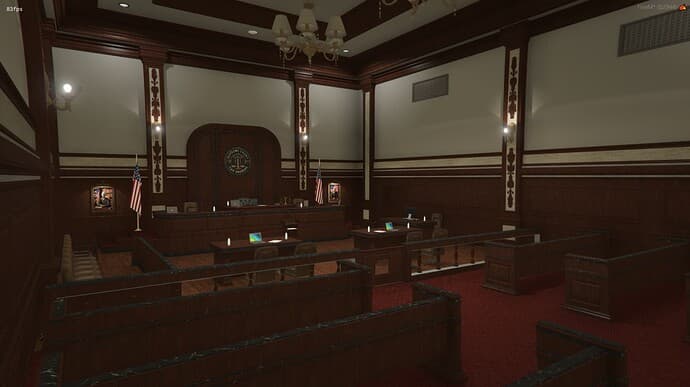
Waffen in öffentlichen Gebäuden und öffentlichen Sitzungen
Wer in ein staatliches oder kommunales öffentliches Gebäude oder in eine öffentliche Sitzung eine Schusswaffe, eine gefährliche Waffe, ein feststellbares Messer mit über zehn Zentimeter Klingenlänge, eine unerlaubte Reizgaswaffe, einen Elektroschocker oder ein sonstiges im Gesetz aufgezähltes gefährliches Gerät mitbringt oder dort besitzt, macht sich strafbar.
Strafebis zu 1 Jahr Gefängnis
Cal. Penal Code § Mehr dazuschliessen
Cal. Penal Code § 171b — Waffen in öffentlichen Gebäuden und öffentlichen SitzungenWortlautzu
Wer in ein staatliches oder kommunales öffentliches Gebäude oder in eine öffentliche Sitzung eine Schusswaffe, eine gefährliche Waffe, ein feststellbares Messer mit über zehn Zentimeter Klingenlänge, eine unerlaubte Reizgaswaffe, einen Elektroschocker oder ein sonstiges im Gesetz aufgezähltes gefährliches Gerät mitbringt oder dort besitzt, macht sich strafbar.
Strafe auf Deutsch —
Freiheitsstrafe im Bezirksgefängnis bis zu einem Jahr oder im Staatsgefängnis.
Wortlaut im Gesetz (englisch)
(a) Any person who brings or possesses within any state or local public building or at any meeting required to be open to the public pursuant to Chapter 9 (commencing with Section 54950) of Part 1 of Division 2 of Title 5 of, or Article 9 (commencing with Section 11120) of Chapter 1 of Part 1 of Division 3 of Title 2 of, the Government Code, any of the following is guilty of a public offense punishable by imprisonment in a county jail for not more than one year, or in the state prison:
Ganzer Gesetzestext (englisch)
(a) Any person who brings or possesses within any state or local public building or at any meeting required to be open to the public pursuant to Chapter 9 (commencing with Section 54950) of Part 1 of Division 2 of Title 5 of, or Article 9 (commencing with Section 11120) of Chapter 1 of Part 1 of Division 3 of Title 2 of, the Government Code, any of the following is guilty of a public offense punishable by imprisonment in a county jail for not more than one year, or in the state prison: (1) Any firearm. (2) Any deadly weapon described in Section 17235 or in any provision listed in Section 16590. (3) Any knife with a blade length in excess of four inches, the blade of which is fixed or is capable of being fixed in an unguarded position by the use of one or two hands. (4) Any unauthorized tear gas weapon. (5) Any taser or stun gun as defined in Section 244.5. (6) Any instrument that expels a metallic projectile, such as a BB or pellet, through the force of air pressure, CO2 pressure, or spring action, or any spot marker gun or paint gun. (b) Subdivision (a) shall not apply to, or affect, any of the following: (1) A person who possesses weapons in, or transports weapons into, a court of law to be used as evidence. (2) (A) A duly appointed peace officer as defined in Chapter 4.5 (commencing with Section 830) of Title 3 of Part 2, a retired peace officer with authorization to carry concealed weapons as described in Article 2 (commencing with Section 25450) of Chapter 2 of Division 5 of Title 4 of Part 6, a full-time paid peace officer of another state or the federal government who is carrying out official duties while in California, or any person summoned by any of these officers to assist in making arrests or preserving the peace while they are actually engaged in assisting the officer. (B) Notwithstanding subparagraph (A), subdivision (a) shall apply to any person who brings or possesses any weapon specified therein within any courtroom if they are a party to an action pending before the court. (3) A person holding a valid license to carry the firearm pursuant to Chapter 4 (commencing with Section 26150) of Division 5 of Title 4 of Part 6 who possesses the firearm within a building designated for a court proceeding, including matters before a superior court, district court of appeal, or the California Supreme Court, and is a justice, judge, or commissioner of the court. (4) A person who has permission to possess that weapon granted in writing by a duly authorized official who is in charge of the security of the state or local government building. (5) A person who lawfully resides in, lawfully owns, or is in lawful possession of, that building with respect to those portions of the building that are not owned or leased by the state or local government. (6) A person licensed or registered in accordance with, and acting within the course and scope of, Chapter 11.5 (commencing with Section 7512) or Chapter 11.6 (commencing with Section 7590) of Division 3 of the Business and Professions Code who has been hired by the owner or manager of the building if the person has permission pursuant to paragraph (5). (7) (A) A person who, for the purpose of sale or trade, brings any weapon that may otherwise be lawfully transferred, into a gun show conducted pursuant to Article 1 (commencing with Section 27200) and Article 2 (commencing with Section 27300) of Chapter 3 of Division 6 of Title 4 of Part 6. (B) A person who, for purposes of an authorized public exhibition, brings any weapon that may otherwise be lawfully possessed, into a gun show conducted pursuant to Article 1 (commencing with Section 27200) and Article 2 (commencing with Section 27300) of Chapter 3 of Division 6 of Title 4 of Part 6. (c) As used in this section, “state or local public building” means a building that meets all of the following criteria: (1) It is a building or part of a building owned or leased by the state or local government, if state or local public employees are regularly present for the purposes of performing their official duties. A state or local public building includes, but is not limited to, a building that contains a courtroom. (2) It is not a building or facility, or a part thereof, that is referred to in Section 171c, 171d, 626.9, 626.95, or 626.10 of this code, or in Section 18544 of the Elections Code. (3) It is a building not regularly used, and not intended to be used, by state or local employees as a place of residence.
Straftaten gegen die Rechtspflege · Teil 1
Waffen im Kapitol und in Amtsräumen des Landes
Wer eine geladene Schusswaffe in das State Capitol, bestimmte Landesdienstgebäude in Sacramento, ein Abgeordnetenbüro, ein Büro des Gouverneurs oder eines anderen Verfassungsorgans, einen Sitzungssaal eines Parlamentsausschusses oder auf das Gelände des Kapitols bringt oder dort besitzt, macht sich strafbar. Für das Mitbringen sonstiger gefährlicher Waffen an diese Orte gilt ein eigener Tatbestand.
Strafebis zu 1 Jahr Gefängnis· dazu bis $1.000
Cal. Penal Code § Mehr dazuschliessen
Cal. Penal Code § 171c — Waffen im Kapitol und in Amtsräumen des LandesWortlautzu
Wer eine geladene Schusswaffe in das State Capitol, bestimmte Landesdienstgebäude in Sacramento, ein Abgeordnetenbüro, ein Büro des Gouverneurs oder eines anderen Verfassungsorgans, einen Sitzungssaal eines Parlamentsausschusses oder auf das Gelände des Kapitols bringt oder dort besitzt, macht sich strafbar. Für das Mitbringen sonstiger gefährlicher Waffen an diese Orte gilt ein eigener Tatbestand.
Strafe auf Deutsch —
Für die geladene Schusswaffe: Freiheitsstrafe im Bezirksgefängnis bis zu einem Jahr, Geldstrafe bis zu 1.000 Dollar oder beides, oder Freiheitsstrafe nach Section 1170 Buchstabe h.
Wortlaut im Gesetz (englisch)
(a) (1) Any person who brings a loaded firearm into, or possesses a loaded firearm within, the State Capitol, the state office building at 1021 O Street in the City of Sacramento, any legislative office, any office of the Governor or other constitutional officer, or any hearing room in which any committee of the Senate or Assembly is conducting a hearing, or upon the grounds of the State Capitol, which is bounded by 10th, L, 15th, and N Streets in the City of Sacramento, shall be punished by imprisonment in a county jail for a period of not more than one year, a fine of not more than one thousand dollars ($1,000), or both such imprisonment and fine, or by imprisonment pursuant to subdivision (h) of
(2) Any person who brings or possesses, within the State Capitol, any legislative office, any hearing room in which any committee of the Senate or Assembly is conducting a hearing, the Legislative Office Building at 1020 N Street in the City of Sacramento, the state office building at 1021 O Street in the City of Sacramento, or upon the grounds of the State Capitol, which is bounded by 10th, L, 15th, and N Streets in the City of Sacramento, any of the following, is guilty of a misdemeanor punishable by imprisonment in a county jail for a period not to exceed one year, or by a fine not exceeding one thousand dollars ($1,000), or by both that fine and imprisonment, if the area is posted with a statement providing reasonable notice that prosecution may result from possession of any of these items:
Ganzer Gesetzestext (englisch)
(a) (1) Any person who brings a loaded firearm into, or possesses a loaded firearm within, the State Capitol, the state office building at 1021 O Street in the City of Sacramento, any legislative office, any office of the Governor or other constitutional officer, or any hearing room in which any committee of the Senate or Assembly is conducting a hearing, or upon the grounds of the State Capitol, which is bounded by 10th, L, 15th, and N Streets in the City of Sacramento, shall be punished by imprisonment in a county jail for a period of not more than one year, a fine of not more than one thousand dollars ($1,000), or both such imprisonment and fine, or by imprisonment pursuant to subdivision (h) of Section 1170. (2) Any person who brings or possesses, within the State Capitol, any legislative office, any hearing room in which any committee of the Senate or Assembly is conducting a hearing, the Legislative Office Building at 1020 N Street in the City of Sacramento, the state office building at 1021 O Street in the City of Sacramento, or upon the grounds of the State Capitol, which is bounded by 10th, L, 15th, and N Streets in the City of Sacramento, any of the following, is guilty of a misdemeanor punishable by imprisonment in a county jail for a period not to exceed one year, or by a fine not exceeding one thousand dollars ($1,000), or by both that fine and imprisonment, if the area is posted with a statement providing reasonable notice that prosecution may result from possession of any of these items: (A) Any firearm. (B) Any deadly weapon described in Section 21510 or in any provision listed in Section 16590. (C) Any knife with a blade length in excess of four inches, the blade of which is fixed or is capable of being fixed in an unguarded position by the use of one or two hands. (D) Any unauthorized tear gas weapon. (E) Any stun gun, as defined in Section 244.5. (F) Any instrument that expels a metallic projectile, such as a BB or pellet, through the force of air pressure, CO2 pressure, or spring action, or any spot marker gun or paint gun. (G) Any ammunition as defined in Sections 16150 and 16650. (H) Any explosive as defined in Section 12000 of the Health and Safety Code. (b) Subdivision (a) shall not apply to, or affect, any of the following: (1) A duly appointed peace officer as defined in Chapter 4.5 (commencing with Section 830) of Title 3 of Part 2, a retired peace officer with authorization to carry concealed weapons as described in Article 2 (commencing with Section 25450) of Chapter 2 of Division 5 of Title 4 of Part 6, a full-time paid peace officer of another state or the federal government who is carrying out official duties while in California, or any person summoned by any of these officers to assist in making arrests or preserving the peace while that person is actually engaged in assisting the officer. (2) A person holding a valid license to carry the firearm pursuant to Chapter 4 (commencing with Section 26150) of Division 5 of Title 4 of Part 6, and who has permission granted by the Chief Sergeants at Arms of the State Assembly and the State Senate to possess a concealed weapon upon the premises described in subdivision (a). (3) A person who has permission granted by the Chief Sergeants at Arms of the State Assembly and the State Senate to possess a weapon upon the premises described in subdivision (a). (c) (1) Nothing in this section shall preclude prosecution under Chapter 2 (commencing with Section 29800) or Chapter 3 (commencing with Section 29900) of Division 9 of Title 4 of Part 6 of this code, Section 8100 or 8103 of the Welfare and Institutions Code, or any other law with a penalty greater than is set forth in this section. (2) The provisions of this section are cumulative, and shall not be construed as restricting the application of any other law. However, an act or omission punishable in different ways by different provisions of law shall not be punished under more than one provision.
: Waffenverbot
Straftaten gegen die Rechtspflege · Teil 1 · Geldstrafe bis $1.000
Waffenvorzeigen mit schwerer Körperverletzung
Fügt jemand bei einem Verstoss gegen § 417 oder § 417.8 der bedrohten Person vorsätzlich eine schwere Körperverletzung zu, wird er härter bestraft. Als schwere Körperverletzung gelten unter anderem Bewusstlosigkeit, Gehirnerschütterung, Knochenbruch, längerer Funktionsverlust eines Körperteils oder Organs, eine ausgedehnt zu nähende Wunde und erhebliche Entstellung. Gehört die verwendete Waffe dem Verurteilten, ordnet das Gericht ihre Einziehung an.
Strafebis zu 1 Jahr Gefängnis
Cal. Penal Code § Mehr dazuschliessen
Cal. Penal Code § 417.6 — Waffenvorzeigen mit schwerer KörperverletzungWortlautzu
Fügt jemand bei einem Verstoss gegen § 417 oder § 417.8 der bedrohten Person vorsätzlich eine schwere Körperverletzung zu, wird er härter bestraft. Als schwere Körperverletzung gelten unter anderem Bewusstlosigkeit, Gehirnerschütterung, Knochenbruch, längerer Funktionsverlust eines Körperteils oder Organs, eine ausgedehnt zu nähende Wunde und erhebliche Entstellung. Gehört die verwendete Waffe dem Verurteilten, ordnet das Gericht ihre Einziehung an.
Strafe auf Deutsch —
Freiheitsstrafe im Bezirksgefängnis bis zu einem Jahr oder Freiheitsstrafe im Staatsgefängnis; zusätzlich Einziehung der Waffe, wenn sie dem Verurteilten gehört.
Wortlaut im Gesetz (englisch)
(a) If, in the commission of a violation of Section 417 or 417.8, serious bodily injury is intentionally inflicted by the person drawing or exhibiting the firearm or deadly weapon, the offense shall be punished by imprisonment in the county jail not exceeding one year or by imprisonment in state prison.
Ganzer Gesetzestext (englisch)
(a) If, in the commission of a violation of Section 417 or 417.8, serious bodily injury is intentionally inflicted by the person drawing or exhibiting the firearm or deadly weapon, the offense shall be punished by imprisonment in the county jail not exceeding one year or by imprisonment in state prison. (b) As used in this section, “serious bodily injury” means a serious impairment of physical condition, including, but not limited to, the following: loss of consciousness; concussion; bone fracture; protracted loss or impairment of function of any bodily member or organ; a wound requiring extensive suturing; and serious disfigurement. (c) When a person is convicted of a violation of Section 417 or 417.8 and the deadly weapon or firearm used by the person is owned by that person, the court shall order that the weapon or firearm be deemed a nuisance and disposed of in the manner provided by Sections 18000 and 18005.
Straftaten gegen den öffentlichen Frieden · Teil 1
Stufe steht nicht im Gesetz
Waffen, Sprengstoff und Reizgas in Haftanstalten
Strafbar ist, wer wissentlich Schusswaffen, gefährliche Waffen oder Sprengstoffe in ein Staatsgefängnis, ein Gefängnislager, eine Gefangenenfarm, ein Bezirksgefängnis oder ein Strassenlager des Bezirks oder auf das angrenzende Gelände bringt oder sendet oder dabei hilft. Ebenso strafbar ist der Besitz solcher Gegenstände sowie von Reizgas und Reizgaswaffen durch einen rechtmässig Inhaftierten. Für das blosse Einbringen von Reizgas gelten je nach Folge unterschiedliche Strafrahmen.
Strafenormalerweise 3 Jahre Gefängnis· dazu bis $1.000
Cal. Penal Code § Mehr dazuschliessen
Der Strafrahmen im Gesetz
2·3·4 JahreWarum drei Zahlen??weniger
Das Gericht nimmt eine dieser drei Zahlen. Dazwischen gibt es nichts — „2 · 3 · 4 Jahre“ heisst nicht „von … bis“.
- Die mittlere ist der Normalfall. Sie gilt, solange nichts dagegenspricht.
- Die obere nur, wenn es besonders schlimm war — und das muss bewiesen sein. „Wahrscheinlich“ reicht nicht.
- Die untere, wenn etwas dafür spricht: erlittenes Trauma, Jugend zur Tatzeit, Gewalt in der Partnerschaft.
Im Gesetz: „two, three, or four years“
Cal. Penal Code § 4574 — Waffen, Sprengstoff und Reizgas in HaftanstaltenWortlautzu
Strafbar ist, wer wissentlich Schusswaffen, gefährliche Waffen oder Sprengstoffe in ein Staatsgefängnis, ein Gefängnislager, eine Gefangenenfarm, ein Bezirksgefängnis oder ein Strassenlager des Bezirks oder auf das angrenzende Gelände bringt oder sendet oder dabei hilft. Ebenso strafbar ist der Besitz solcher Gegenstände sowie von Reizgas und Reizgaswaffen durch einen rechtmässig Inhaftierten. Für das blosse Einbringen von Reizgas gelten je nach Folge unterschiedliche Strafrahmen.
Strafe auf Deutsch —
Verbrechen: Freiheitsstrafe nach § 1170(h) von zwei, drei oder vier Jahren. In den milderen Fällen des Einbringens von Reizgas: Vergehen, Freiheitsstrafe bis zu sechs Monaten im Bezirksgefängnis oder Geldstrafe bis zu 1.000 Dollar oder beides.
Wortlaut im Gesetz (englisch)
explosives, and any person who, while lawfully confined in a jail or county road camp possesses therein any firearm, deadly weapon, explosive, tear gas or tear gas weapon, is guilty of a felony and punishable by imprisonment pursuant to subdivision (h) of Section 1170 for two, three, or four years.
is guilty of a misdemeanor and punishable by imprisonment in the county jail not exceeding six months, or by fine not exceeding one thousand dollars ($1,000), or by both such fine and imprisonment.
Ganzer Gesetzestext (englisch)
(a) Except when otherwise authorized by law, or when authorized by the person in charge of the prison or other institution referred to in this section or by an officer of the institution empowered by the person in charge of the institution to give such authorization, any person, who knowingly brings or sends into, or knowingly assists in bringing into, or sending into, any state prison or prison road camp or prison forestry camp, or other prison camp or prison farm or any other place where prisoners of the state prison are located under the custody of prison officials, officers or employees, or any jail or any county road camp in this state, or within the grounds belonging or adjacent to any such institution, any firearms, deadly weapons, or explosives, and any person who, while lawfully confined in a jail or county road camp possesses therein any firearm, deadly weapon, explosive, tear gas or tear gas weapon, is guilty of a felony and punishable by imprisonment pursuant to subdivision (h) of Section 1170 for two, three, or four years. (b) Except as provided in subdivision (a), any person who knowingly brings or sends into those places any tear gas or tear gas weapons which results in the release of such tear gas or use of such weapon is guilty of a felony and punishable by imprisonment pursuant to subdivision (h) of Section 1170 for two, three, or four years. (c) Except as provided in subdivision (a), any person who knowingly brings or sends into those places any tear gas or tear gas weapons is guilty of a misdemeanor and punishable by imprisonment in the county jail not exceeding six months, or by fine not exceeding one thousand dollars ($1,000), or by both such fine and imprisonment.
Straftaten im Zusammenhang mit Gefängnissen und Gefangenen · Teil 3 · Geldstrafe bis $1.000
Waffenbesitz trotz Waffenverbotsanordnung
Strafbar macht sich, wer eine Schusswaffe oder Munition besitzt, obwohl er weiss, dass ihm dies durch eine Waffenverbotsanordnung untersagt ist. Erfasst sind die einstweilige Notfallanordnung, die Eilanordnung ohne Anhörung und die nach Anhörung ergangene Anordnung sowie gleichwertige Anordnungen aus anderen Bundesstaaten. Zusätzlich zur Strafe folgt ein fünfjähriges Verbot, Waffen oder Munition zu besitzen, zu kaufen oder entgegenzunehmen, gerechnet ab dem Ablauf der bestehenden Anordnung.
Strafebis zu 6 Monate oder bis $1.000
Cal. Penal Code § Mehr dazuschliessen
Cal. Penal Code § 18205 — Waffenbesitz trotz WaffenverbotsanordnungWortlautzu
Strafbar macht sich, wer eine Schusswaffe oder Munition besitzt, obwohl er weiss, dass ihm dies durch eine Waffenverbotsanordnung untersagt ist. Erfasst sind die einstweilige Notfallanordnung, die Eilanordnung ohne Anhörung und die nach Anhörung ergangene Anordnung sowie gleichwertige Anordnungen aus anderen Bundesstaaten. Zusätzlich zur Strafe folgt ein fünfjähriges Verbot, Waffen oder Munition zu besitzen, zu kaufen oder entgegenzunehmen, gerechnet ab dem Ablauf der bestehenden Anordnung.
Strafe auf Deutsch —
Vergehen. Zusätzlich fünfjähriges Verbot, Schusswaffen oder Munition unter Obhut oder Kontrolle zu haben, zu besitzen, zu kaufen oder entgegenzunehmen oder dies zu versuchen; die Frist beginnt mit dem Ablauf der bestehenden Waffenverbotsanordnung.
Wortlaut im Gesetz (englisch)
(a) Every person who owns or possesses a firearm or ammunition with knowledge that they are prohibited from doing so by a temporary emergency gun violence restraining order issued pursuant to Chapter 2 (commencing with Section 18125), an ex parte gun violence restraining order issued pursuant to Chapter 3 (commencing with Section 18150), a gun violence restraining order issued after notice and a hearing issued pursuant to Chapter 4 (commencing with Section 18170), or by a valid order issued by an out-of-state jurisdiction that is similar or equivalent to a gun violence restraining order described in this division, is guilty of a misdemeanor and shall be prohibited from having custody or control of, owning, purchasing, possessing, or receiving, or attempting to purchase or receive, a firearm or ammunition for a five-year period, to commence upon the expiration of the existing gun violence restraining order.
Ganzer Gesetzestext (englisch)
(a) Every person who owns or possesses a firearm or ammunition with knowledge that they are prohibited from doing so by a temporary emergency gun violence restraining order issued pursuant to Chapter 2 (commencing with Section 18125), an ex parte gun violence restraining order issued pursuant to Chapter 3 (commencing with Section 18150), a gun violence restraining order issued after notice and a hearing issued pursuant to Chapter 4 (commencing with Section 18170), or by a valid order issued by an out-of-state jurisdiction that is similar or equivalent to a gun violence restraining order described in this division, is guilty of a misdemeanor and shall be prohibited from having custody or control of, owning, purchasing, possessing, or receiving, or attempting to purchase or receive, a firearm or ammunition for a five-year period, to commence upon the expiration of the existing gun violence restraining order. (b) For purposes of this section, a valid order issued by an out-of-state jurisdiction that is similar or equivalent to a gun violence restraining order described in this section must be issued upon a showing by clear and convincing evidence that the person poses a significant danger of causing personal injury to themselves or another because of owning or possessing a firearm or ammunition.
Kein eigenes Strafmaß im Text. Dann gilt Cal. Penal Code § 19: bis 6 Monate Haft oder bis $1.000 — diese Zahlen stehen dort, nicht hier.
Waffenrecht allgemein · Teil 6
Waffenaufbewahrung bei Mitbewohnern mit Waffenverbot
Wer mindestens 18 Jahre alt ist, eine Wohnung als Eigentümer, Mieter oder sonst rechtmässiger Bewohner nutzt und eine Schusswaffe besitzt, darf diese Waffe dort nicht aufbewahren, wenn er weiss oder wissen muss, dass eine weitere dort wohnende Person nach Landes- oder Bundesrecht keine Schusswaffe besitzen darf. Erlaubt bleibt die Aufbewahrung nur, wenn die Waffe sicher verwahrt ist oder vom berechtigten Eigentümer oder einem anderen befugten Nutzer getragen oder unmittelbar kontrolliert wird. Die Vorschrift tritt am 1. Januar 2026 in Kraft.
Strafebis zu 6 Monate oder bis $1.000
Cal. Penal Code § Mehr dazuschliessen
Cal. Penal Code § 25135 — Waffenaufbewahrung bei Mitbewohnern mit WaffenverbotWortlautzu
Wer mindestens 18 Jahre alt ist, eine Wohnung als Eigentümer, Mieter oder sonst rechtmässiger Bewohner nutzt und eine Schusswaffe besitzt, darf diese Waffe dort nicht aufbewahren, wenn er weiss oder wissen muss, dass eine weitere dort wohnende Person nach Landes- oder Bundesrecht keine Schusswaffe besitzen darf. Erlaubt bleibt die Aufbewahrung nur, wenn die Waffe sicher verwahrt ist oder vom berechtigten Eigentümer oder einem anderen befugten Nutzer getragen oder unmittelbar kontrolliert wird. Die Vorschrift tritt am 1. Januar 2026 in Kraft.
Strafe auf Deutsch —
Vergehen.
Wortlaut im Gesetz (englisch)
is a misdemeanor
Ganzer Gesetzestext (englisch)
(a) A person who is 18 years of age or older, and who is the owner, lessee, renter, or other legal occupant of a residence, who owns a firearm and who knows or has reason to know that another person also residing therein is prohibited by state or federal law from possessing, receiving, owning, or purchasing a firearm shall not keep in that residence a firearm unless one of the following applies: (1) The firearm is securely stored, as defined in Section 25145. (2) The firearm is carried or readily controlled by the lawful owner or another lawful authorized user, as defined in Section 25145. (b) A violation of this section is a misdemeanor. (c) The provisions of this section are cumulative, and do not restrict the application of any other law. However, an act or omission punishable in different ways by different provisions of law shall not be punished under more than one provision. (d) This section shall become operative on January 1, 2026.
Kein eigenes Strafmaß im Text. Dann gilt Cal. Penal Code § 19: bis 6 Monate Haft oder bis $1.000 — diese Zahlen stehen dort, nicht hier.
Waffenrecht · Teil 6
2Dein Fall
noch leer
Noch nichts ausgewählt. Suchen Sie oben nach der Tat und tippen Sie „Hinzufügen“ — jede Tat einzeln, so oft, wie sie vorkam.
3Diese Paragraphen gelten
Sobald die erste Tat oben im Fall liegt, stehen hier die Paragraphen, die dafür gelten — jeder mit Fundstelle zum Kopieren.
Orientierung, keine verbindliche Auskunft — das letzte Wort hat das Gericht. Katalog: leginfo.legislature.ca.gov — California Penal Code, Stand 2026-08-30, 1419 Paragraphen. Verbindlich ist der englische Wortlaut; die deutsche Fassung ist eine Arbeitsübersetzung und steht an jedem Paragraphen zum Aufklappen daneben — für 5 Paragraphen liegt sie noch nicht vor.